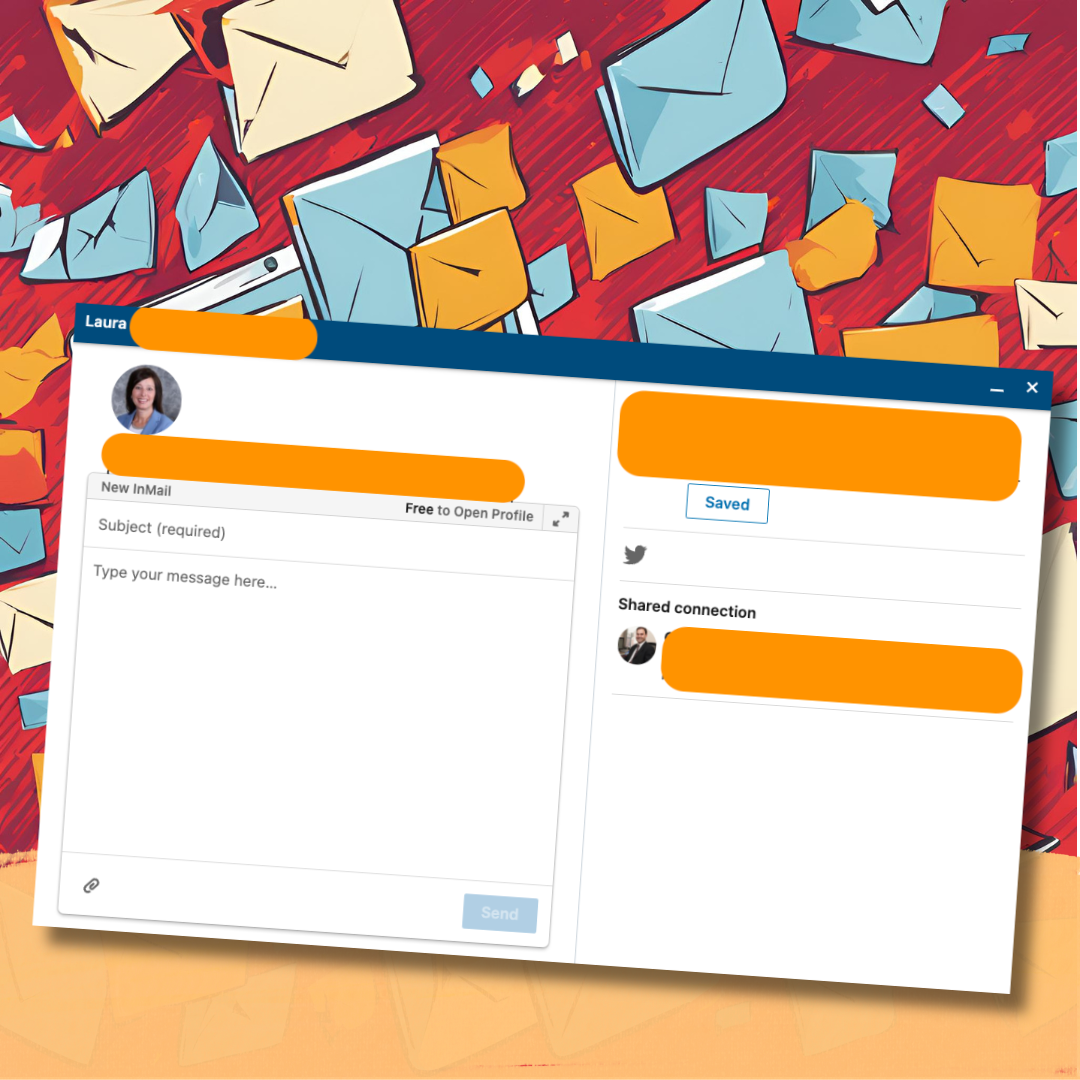
You or your sales team may also be using LinkedIn, InMails and Messages to reach your prospective clients.
LinkedIn InMails offers a powerful opportunity for salespeople to connect with potential leads directly. However, the effectiveness of these messages is often compromised by poor quality, which third-party automation platforms can exacerbate. I am not a proponent of using any of these third-party automation tools - nope, never.
To maximize the impact of InMails, it’s essential to understand their pros and cons and implement strategies for creating personalized, value-driven messages.
The Pros and Cons of LinkedIn InMails
Pros:
- Direct Access: InMails allows you to reach out to individuals outside your network, providing a unique opportunity to message with key decision-makers.
- Response Incentives: LinkedIn rewards you with a credit back for InMails that receive a response, encouraging meaningful engagement.
Cons:
- Visibility Issues: Despite their prominence, InMails often end up in the “Other” tab of the recipient’s inbox, where they are more likely to be overlooked.
- Quality Concerns: Many InMails are generic and poorly crafted, which can lead to low response rates and damage your credibility.
- Automation Challenges: Third-party automation platforms can result in impersonal, cookie-cutter messages that fail to resonate with recipients.
Improving InMail Quality: Strategies for Salespeople
Personalize Your Message: Actually, do this!
-
Research the Recipient: Understand the recipient’s background, interests, and current role. Reference specific details in your message to show genuine interest and relevance.
-
Tailor Content: Customize your message to address the recipient’s unique pain points or needs. Avoid generic sales pitches and focus on how you can provide value.
Focus on Value:
-
Highlight Benefits: Clearly articulate how your product or service can solve a specific problem or improve the recipient’s situation. Emphasize the tangible benefits rather than just features.
-
Provide Insights: Offer valuable insights or information that can benefit the recipient. This could include industry trends, best practices, or relevant case studies.
Craft a Compelling Subject Line:
-
Be Specific: Use a subject line that reflects the content of your message and grabs the recipient’s attention. Avoid vague or overly promotional language.
-
Create Curiosity: Spark curiosity with a subject line that encourages the recipient to open and read your message.
Build a Strong Opening:
-
Start with a Hook: Begin your message with a strong opening that addresses the recipient’s needs or interests immediately. Avoid starting with a generic introduction.
-
Show Credibility: Establish credibility early by mentioning any mutual connections, shared interests, or relevant achievements.
Avoid Automation Pitfalls:
-
Personal Touch: Automation tools can be useful for scaling outreach, but they often lead to impersonal messages. Avoid over-reliance on these tools whenever possible and add a personal touch to each message.
-
Customize Templates: If you use automation, ensure your templates are highly customizable. Personalize each message based on the recipient’s profile and context.
Include a Clear Call to Action:
-
Be Direct: Clearly state what you want the recipient to do next, whether scheduling a call, requesting more information, or visiting your website.
-
Offer Options: Provide multiple ways for the recipient to engage with you, such as suggesting a few available times for a call or offering a link to a relevant resource.
Follow Up Strategically:
-
Timing Matters: If you don’t receive a response, follow up after a reasonable time. A polite reminder can increase the chances of engagement.
-
Add Value in Follow-Ups: Use follow-up messages to provide additional value or address any new developments. Avoid repetitive or generic follow-ups.
Focus on personalization, value, and relevance to improve the effectiveness of your LinkedIn InMails. While InMails offers direct access to decision-makers and incentives for engagement, their success hinges on the quality of the message and the approach taken.
By avoiding the pitfalls of third-party automation and crafting thoughtful, tailored messages, salespeople can enhance their chances of receiving responses and building meaningful connections.
Remember, you still need to connect with them - an InMail does NOT mean they join your network or you join theirs. After all, isn't that actually the point?
Messages are between people connected on LinkedIn and should have a higher engagement rate.
It always goes back to what you are doing and your intention.
Use the platform well. LinkedIn and your network will reward you for your effort.